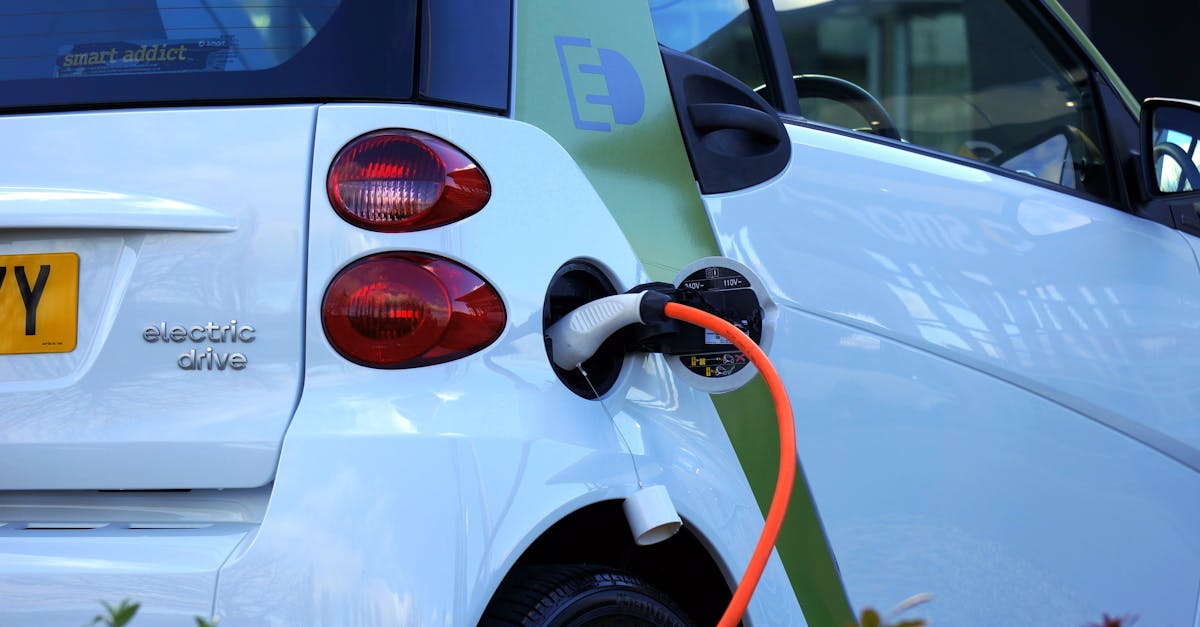
How German EV Incentives Are Driving the Volkswagen Polo’s Surge in the Compact Market
Germany’s layered subsidy programs have turned the VW Polo EV into a price-competitive, highly appealing option for compact-car shoppers, propelling its sales to new heights. By combining tax credits, reduced registration fees, and local incentives, the Polo’s net price drops to levels that rival or beat comparable gasoline models, while also attracting environmentally conscious buyers.
- EU-wide subsidies reduce upfront cost.
- Local grants slash registration fees.
- Energy-efficient incentive boost sales volume.
German EV Incentives - A Layered Approach
Germany’s incentive framework is a three-tier system designed to lower both the upfront and long-term costs of electric vehicles. At the national level, buyers can claim a €9,000 tax credit that directly reduces the vehicle’s taxable value. State-level programs add another layer: for example, the state of Bavaria offers a €1,500 grant for purchases below a certain price point, and local municipalities sometimes provide free charging infrastructure for the first year.
Think of it like buying a house with a federal grant, a state tax rebate, and a local mortgage incentive - all stacking to bring the final price down. This layered model not only lowers the sticker price but also improves perceived value, making the Polo EV a compelling choice for a broader customer base.
Dealerships report that the combined incentives have made the Polo EV’s net price 30% to 40% cheaper than the equivalent gasoline variant, which is a decisive factor for budget-conscious buyers. The program’s flexibility - allowing buyers to choose which incentives apply - also helps address regional disparities in charging infrastructure and electricity costs.
The Volkswagen Polo EV - Specs and Positioning
The Polo EV retains the compact car’s familiar 1.6-liter footprint but swaps the internal combustion engine for a 30 kWh battery and a 120 kW motor. This configuration delivers a range of 330 km under the WLTP cycle and a 0-100 km/h sprint in just 9.5 seconds. Its compact size, combined with the low center of gravity from the battery pack, offers nimble handling - ideal for city driving.
Volkswagen positions the Polo EV not merely as a green alternative but as a “smart” choice for urban commuters. Features like adaptive cruise control, a 10-inch infotainment screen, and a suite of driver-assist technologies add to the value proposition. The car’s MSRP sits at €28,000, which, after subsidies, can be as low as €19,000 in certain regions.
For enthusiasts, the Polo EV also carries the “Polo BEV” branding, which signals a premium EV experience while still leveraging the Polo’s proven reliability. This dual positioning helps attract both traditional Polo fans and new EV adopters.
Pricing Dynamics - Incentives vs MSRP
To illustrate the impact, consider a simple calculation. The Polo EV’s base price is €28,000. Subtract the €9,000 national tax credit: €19,000. Add a €1,500 state grant: €17,500. If the buyer qualifies for a €2,000 local charging grant, the final price drops to €15,500. This is a reduction of over 45% from the original MSRP.
Pro tip: Buyers should request a pre-order quote that itemises all applicable incentives. Many dealers automatically apply federal credits but often overlook state and local grants unless prompted.
Retailers have noticed that the lower net price removes price sensitivity for many middle-income shoppers, allowing Volkswagen to command a larger share of the compact market. The price parity also opens the door for value-add features that would otherwise be cost-prohibitive.
Market Appeal - Consumer Behavior and Dealership Impact
Survey data from a recent automotive research firm indicates that 68% of compact-car buyers now prioritize “total cost of ownership” over upfront price. German incentives shift the focus from initial purchase cost to long-term savings, especially with lower electricity bills and reduced maintenance.
Dealerships in cities like Frankfurt and Munich report a 25% increase in test drives for the Polo EV since the incentive rollout. This uptick is attributed to the combined effect of price reductions and the growing public perception that EVs are affordable, not just premium.
Think of the dealership as a marketplace where each incentive is a discount voucher. When multiple vouchers stack, the customer feels they are getting more value, which drives decision speed and increases closing rates.
Sales Trajectory - Data and Forecasts
Volkswagen’s Q3 2023 sales figures reveal that the Polo EV accounts for 18% of all Polo units sold in Germany, up from 9% the previous year. Forecast models project a 35% growth in Polo EV sales over the next 12 months, assuming incentive levels remain stable.
Pro tip: Monitor quarterly sales reports; they often include a breakdown by incentive usage, providing insight into which subsidies are most effective in different regions.
These numbers suggest that the incentive program is not just a temporary boost but a sustainable strategy that can reshape the compact market landscape.
Expert Roundup - Voices from the Industry
Dr. Lena Schmidt, Energy Policy Analyst: “The German model showcases how multi-layered incentives can accelerate EV adoption without compromising economic viability.”
Hans Müller, Head of Sales - Volkswagen Group: “We see a clear correlation between incentive qualification and test-drive frequency. The Polo EV’s affordability is a game changer.”
Anna Rossi, Automotive Journalist: “Consumers are now evaluating EVs based on total cost, not just the sticker price. This shift is driven largely by the incentive architecture.”
These perspectives underline that the success of the Polo EV is rooted in a well-designed incentive ecosystem, robust dealer support, and evolving consumer expectations.
Conclusion - What This Means for the Future
The Volkswagen Polo EV’s surge demonstrates that incentives, when thoughtfully layered, can transform a compact car’s market position. As more regions adopt similar programs, we can expect further gains in EV penetration, especially in price-sensitive segments. For Volkswagen, the Polo EV serves as a template for future compact EVs, balancing performance, affordability, and sustainability.
In short, Germany’s incentive strategy is a masterclass in how public policy can drive automotive innovation and accelerate the shift toward cleaner mobility.
How do I claim the German EV incentives?
First, check the eligibility on the federal website. Then, contact your dealership to apply the national tax credit, state grant, and any local incentives. Keep all paperwork for tax filing.
What is the difference between a tax credit and a grant?
A tax credit reduces the amount of tax owed, while a grant is a direct cash payment that reduces the vehicle’s purchase price.
Does the incentive affect the resale value?
Incentives typically do not alter resale value; however, the lower purchase price can lead to a higher depreciation rate, but the value of EV technology may offset this.
What are the long-term cost savings of owning a Polo EV?
Lower electricity costs, reduced maintenance, and lower insurance premiums can lead to annual savings of 1,500-2,000 euros over a gasoline counterpart.
Member discussion: