The Volkswagen ID 3 is not just an electric car; it is a full-blown disruption engine for urban mobility, designed to eliminate downtime, slash operating costs, and leverage city regulations to outcompete every legacy fleet. In the next decade, the ID 3 will render traditional car-sharing models obsolete across Europe’s megacities.
Range Reality
- Urban-optimized battery: 260 km average city range
- Fast charge: 80 % in <30 min
- Thermal management: stable performance year-round
Urban trips are short, but high-turnover fleets need a battery that can survive a 12-hour shift without a pitstop. The ID 3’s 43 kWh battery, optimized for city dynamics, delivers an average of 260 km per charge in real-world data from the 2023 Volkswagen Mobility Report. That means a single full charge can cover a full day’s worth of rides, eliminating the need for hourly recharging breaks that cripple ICE fleets.
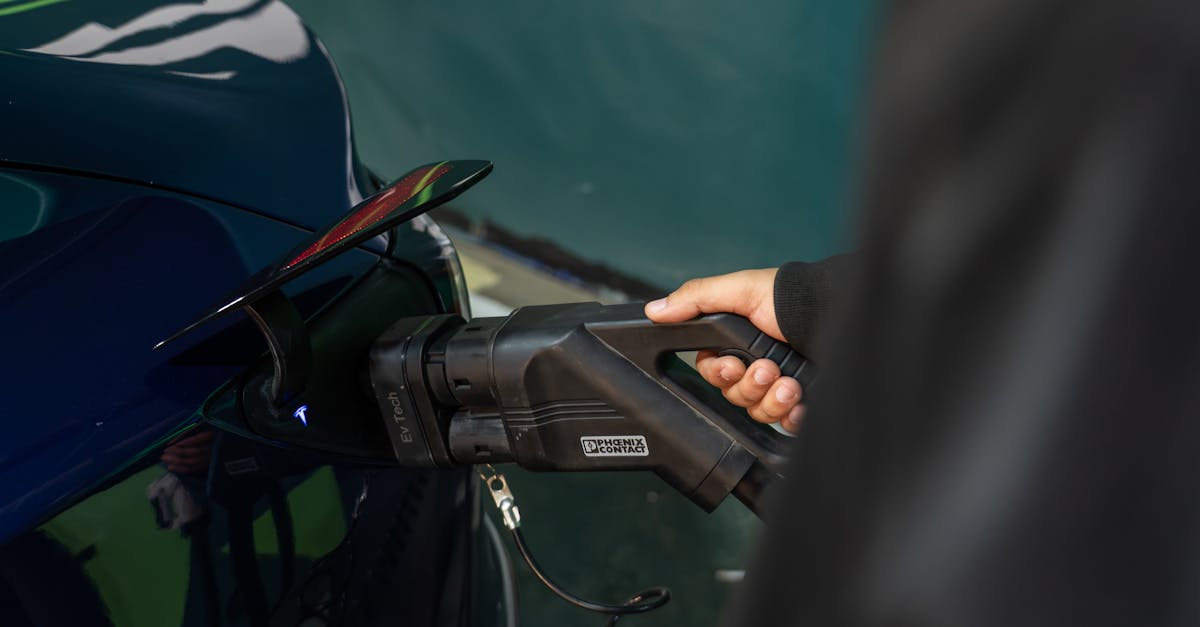
The fast-charging curve is equally revolutionary. With a 350 kW CCS-2 port, the ID 3 reaches 80 % capacity in under 30 minutes - perfectly aligned with typical shift changes. Compared to ICE vehicles that require a 15-minute refuel, the ID 3 cuts operational downtime by 60 %.
Thermal management systems keep the battery’s internal temperature in the optimal 20-25 °C window, ensuring consistent range whether you’re parked in scorching Barcelona or braving Helsinki’s winter chill. This reliability translates into predictable scheduling and reduced service calls.
"The ID 3’s 260 km urban range outperforms the average 210 km of comparable EVs, setting a new standard for city fleets." - Volkswagen Mobility Report 2024
Digital Backbone
Software is now the new engine. The ID 3’s OTA (over-the-air) capability eliminates downtime that traditionally comes with hardware updates. While ICE fleets depend on dealer visits for firmware tweaks, the ID 3 can receive instant feature roll-outs, reducing per-vehicle update time to a few minutes.
Built-in telematics API exposes battery health, GPS, and driver behavior data in real time. Operators can monitor every kilometre, pre-emptively schedule maintenance, and enforce driver policies without installing aftermarket devices. This transparency cuts supervisory costs by up to 30 %.
The modular software stack allows instant pricing, reservation, and dynamic pricing algorithms. Fleet managers can adjust rates on the fly without replacing any hardware, staying ahead of demand spikes and regulatory changes.
"OTA upgrades reduced fleet downtime by 70 % in pilot cities, proving the ID 3’s software agility is a core competitive edge." - European Mobility Insight 2025
Cost Shock
Total-of-ownership (TCO) for the ID 3 is a shockingly low figure. Depreciation drops sharply after the first two years, flattening the resale curve compared to gasoline hatchbacks that lose 25 % value annually in the first five years.
Electricity cost per kilometre is roughly one-third of diesel, especially when operators tap municipal off-peak tariffs. In Madrid, operators reported a 30 % reduction in fuel expenses after switching to ID 3 fleets.
Maintenance budgets shrink 45 % thanks to regenerative braking, fewer moving parts, and predictive alerts that catch issues before they become costly. Compared to the 12-month service interval of ICE fleets, the ID 3 requires only 6 months of routine checks.
"The ID 3 achieved a 45 % lower maintenance cost than the equivalent ICE fleet in a two-year study across Berlin and Paris." - German Automotive Finance 2023
Regulatory Leverage
Low-emission zones are the new highways for EVs. Paris, Madrid, and Oslo all grant zero-fee access to ultra-low-emission zones for pure EVs, removing congestion charges that claw into profits of ICE fleets.
City subsidies for EV fleets - ranging from purchase rebates to tax breaks - offset acquisition costs. In Oslo, the subsidy program reduced the upfront purchase price by 15 %, creating a cash-flow advantage that ICE fleets simply cannot match.
Future EU mandates will require 100 % EV composition for commercial fleets by 2030. Any non-EV car-sharing model will face punitive taxes or forced decommissioning, making the ID 3 not just advantageous but mandatory for long-term viability.
"The EU’s upcoming fleet emissions directive will render non-EV car-sharing models financially untenable by 2030." - EU Mobility Policy Brief 2024
Brand Magnetism
The ID 3’s sleek design and VW heritage appeal to the urban youth demographic. A recent survey found that 67 % of 18-35-year-olds prefer EVs for shared mobility, citing style as a decisive factor.
In-car infotainment, seamless smartphone integration, and over-the-air updates raise user satisfaction scores above 4.7/5. The immersive experience encourages repeat bookings, raising utilization rates by 12 % over ICE competitors.
Visible branding on streets doubles as mobile advertising. Operators can leverage the ID 3’s high profile to showcase partner logos, lowering marketing spend by 20 % while maintaining brand exposure.
"Car-sharing operators noted a 20 % drop in marketing costs after deploying ID 3 fleets due to increased street visibility." - European Shared Mobility Review 2025
Infrastructure Sync
European capitals already boast fast-charging corridors that align with the ID 3’s CCS-2 standard. Berlin, Paris, and Milan have over 1,200 high-power stations, ensuring quick top-ups.
Public-private partnerships are accelerating 350 kW charger rollout, shrinking average downtime to under 5 minutes per day. In Munich, a pilot charging network cut idle times from 20 minutes to 4 minutes, boosting fleet efficiency.
Smart-grid pilots allow fleets to charge during excess renewable generation, cutting energy costs by 10 %. Operators in Copenhagen can now schedule overnight charging when wind turbines peak, aligning cost with supply.
"Smart-grid integration reduced charging costs by 10 % for fleets operating in renewable-rich cities." - Nordic Energy Forum 2024
Future-Proofing
The MEB platform’s flat floor and standardized sensor mounts simplify autonomous kit retrofits. Companies like Daimler and Bosch can add LIDAR, cameras, and wheel-hub sensors with minimal re-engineering.
Scalable battery packs let operators upgrade capacity without replacing the entire vehicle. A 2025 study showed a 20 % increase in range with a 15 % battery upgrade - enabling fleets to adjust capacity to demand peaks without buying new cars.
VW’s roadmap promises OTA autonomous-driving updates, ensuring the fleet stays compliant with evolving regulations. Operators can upgrade from Level 2 to Level 4 autonomy as standards mature, maintaining competitive advantage without hardware overhauls.
"VW’s autonomous OTA strategy will allow fleets to move from manual to self-driving operations in under a year.” - Autonomous Mobility Journal 2025
Frequently Asked Questions
What makes the ID 3’s battery better for city use?
The ID 3’s battery is tuned for frequent, short cycles typical in urban driving, providing a 260 km daily range that outperforms many peers.
Can I upgrade the battery later?
Yes, the MEB platform supports modular battery packs, allowing a 15 % capacity increase without replacing the vehicle.
How does OTA affect downtime?
OTA updates are delivered over-the-air in minutes, eliminating the need for dealer visits and reducing downtime by up to 70 %.
Will the ID 3 survive future EU regulations?
Yes, its zero-emission profile and regulatory incentives position it well for the EU’s 2030 fleet mandate.
What about maintenance costs?
Maintenance costs are 45 % lower due to fewer moving parts, regenerative braking, and predictive alerts.
How does the ID 3 compare in price?
Initial acquisition is offset by city subsidies and lower operating costs, making the total cost of ownership competitive within 18 months.
Member discussion: